


-

Add: HeBei ShengShi HongBang Cellulose Technology CO.,LTD.
-

Email
13180486930@163.com -

CONTACT US
+86 13180486930




Raw Materials for Synthetic Fibers An Overview Synthetic fibers have become an integral part of our daily lives, shaping industries ranging from fashion to automotive. These fibers are made from raw materials that have transformed textiles, offering durability, versatility, and a range of functionalities. To understand the production of synthetic fibers, it is essential to explore the various raw materials involved, the processes of transforming these materials, and their impact on the textile industry and the environment. Types of Raw Materials The production of synthetic fibers primarily relies on petrochemical products derived from crude oil. The two most common types of synthetic fibers are polyesters and polyamides, which are produced from specific raw materials. 1. Polyester The most widely used synthetic fiber, polyester, is typically made from polyethylene terephthalate (PET). PET is synthesized from two key raw materials terephthalic acid and ethylene glycol. Both of these compounds originate from crude oil, undergoing processes such as polymerization to create polyesters. Known for its strength and resistance to stretching and shrinking, polyester has become a popular choice in clothing, home furnishings, and industrial applications. 2. Polyamide (Nylon) Another significant synthetic fiber is polyamide, commonly known as nylon. The production of nylon involves raw materials like hexamethylenediamine and adipic acid, which can also be sourced from petroleum or derived from renewable resources. Nylon fibers are prized for their exceptional elasticity, strength, and abrasion resistance, making them ideal for products such as hosiery, activewear, and ropes. 3. Acrylic Acrylic fibers, often used as a wool substitute, are manufactured from polyacrylonitrile (PAN). The raw materials for PAN typically include acrylonitrile, which is derived from propylene—another byproduct of oil refining. Acrylic fibers are lightweight, soft, and exhibit good color retention, providing a popular choice in blankets, sweaters, and textiles. The Production Process Once the raw materials are sourced, the production of synthetic fibers generally involves several key steps polymerization, spinning, and finishing. raw material for synthetic fibers - Polymerization This process involves chemically reacting the raw materials to form long chains of molecules, known as polymers. Depending on the desired characteristics of the final product, variations in the chemical process can be implemented to achieve specific attributes, such as thickness and flexibility. - Spinning After polymerization, the resulting polymers are melted down and extruded through spinnerets, which are devices that create filaments. As the molten polymer passes through tiny holes, it cools and solidifies to form fibers. This spinning process can be done using different techniques, such as dry, wet, or melt spinning, each resulting in different types of fiber characteristics. - Finishing The final step in fiber production involves finishing processes that enhance the fiber's performance characteristics. This might include dyeing, texturing, or applying treatments that improve properties like water resistance or flame retardance. Environmental Considerations While synthetic fibers have revolutionized the textile industry, their production poses significant environmental challenges. The extraction and processing of petrochemical raw materials contribute to carbon emissions, pollution, and reliance on fossil fuels. Furthermore, synthetic fibers are not biodegradable, resulting in long-lasting waste in landfills and oceans. To address these concerns, there is a growing movement towards sustainable practices in synthetic fiber production. Innovations in recycling technologies are enabling the repurposing of old synthetic garments into new fibers. Brands are also exploring bio-based alternatives, using renewable resources such as corn starch or sugarcane to produce synthetic fibers, thus reducing their environmental footprint. Conclusion The journey of synthetic fibers from raw materials to finished products is a complex interplay of chemistry, engineering, and environmental considerations. As demand for these materials continues to grow, it is vital to find a balance between industrial benefits and ecological sustainability. By prioritizing innovation and responsible sourcing, the future of synthetic fibers may pave the way for a more sustainable textile industry, combining functionality with environmental stewardship.
- 40000tons

Production
- 20+years

Experience
- 5000+㎡

Acreage

-
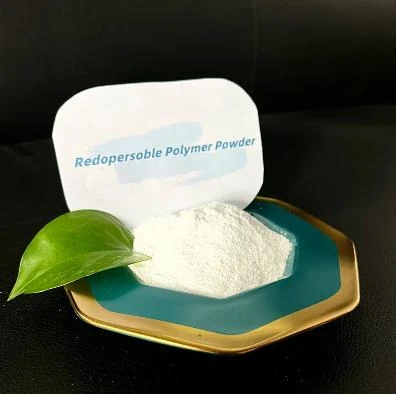
In the world of plastering and construction, achieving optimal working time and preventing premature setting are crucial factors for ensuring high-quality results. One of the most effective solutions is the use of cream of tartar plaster retarder . This naturally occurring substance is increasingly being utilized in the formulation of gypsum-based products due to its ability to extend working time, improve the application process, and maintain the consistency of plaster during drying. In this article, we will explore the importance of cream of tartar plaster retarder and other key retarders in gypsum products , and how these additives are transforming the plastering industry. Why Cream of Tartar Plaster Retarder is Essential in Gypsum-Based Products Cream of tartar plaster retarder plays a vital role in gypsum-based products, particularly in extending the workability of plaster. Gypsum, a commonly used material in construction, sets quickly once mixed with water. While this rapid setting is beneficial in certain applications, it can be problematic when more time is needed to apply the plaster evenly or when working with intricate designs. By incorporating cream of tartar plaster retarder into the mix, the setting time is slowed, allowing plasterers more flexibility to work with the material before it hardens. This retarder works by delaying the crystallization process of gypsum, which is responsible for its quick setting. With a cream of tartar plaster retarder , contractors can achieve a smooth, uniform finish with less pressure and more time to adjust the plaster before it begins to set. This is especially beneficial in larger or more complex projects, where detailed craftsmanship is required, ensuring that the plaster doesn’t dry too fast before it can be applied correctly. The Benefits of Using Extra Time Plaster Additive in Large-Scale Projects An extra time plaster additive is a key tool for ensuring that plaster sets at a controlled rate, which is particularly useful in large-scale or intricate projects. Large surfaces, such as ceilings or walls in commercial buildings, require a more extended working period to apply the plaster evenly. In such cases, an extra time plaster additive allows workers to apply the plaster smoothly without worrying about it drying out too quickly. By adding extra time plaster additive to the gypsum mix, you can ensure that the material remains workable for longer periods. This can make a significant difference in ensuring that the plaster adheres properly and does not form unsightly cracks or imperfections during the drying process. Moreover, the longer workability period enhances the efficiency of the entire plastering team, as it reduces the need for constant re-mixing of the product and provides more time to apply the material precisely. Another key benefit is the reduction of waste. When working under time constraints, contractors often find themselves discarding large amounts of plaster that have hardened prematurely. The use of extra time plaster additive minimizes this issue, ensuring that the plaster remains usable for extended periods without the need for frequent remixes. Understanding the Role of Gypsum Retarder Chemicals in the Construction Industry Gypsum retarder chemicals are essential additives in the construction industry, especially when working with gypsum products like plaster, drywall, and cement. These chemicals serve to delay the setting time of gypsum, ensuring that the material remains malleable and workable for longer. Gypsum itself is a fast-setting material, which can be advantageous in some applications but challenging in others. By incorporating gypsum retarder chemicals , contractors can optimize the workability and overall finish of the product, reducing the risk of defects caused by premature setting. Retarder chemicals work by inhibiting the formation of crystals within the gypsum mix. This allows workers to apply the product more evenly and with more control, particularly in situations that require precise application, such as when smoothing out surfaces or forming intricate details. In the case of gypsum retarder chemicals , the goal is to extend the open time of the product without compromising its final strength or durability. Additionally, gypsum retarder chemicals help to improve the overall quality of gypsum-based products by ensuring that they have a uniform texture and finish. This is especially important in high-demand environments such as commercial or residential construction, where the appearance and durability of the final product are critical. The Importance of Retarders in Gypsum Products for Quality Control Retarders in gypsum products are a crucial part of quality control in construction and plastering. These additives are used to adjust the setting time of gypsum, ensuring that the material remains workable and easy to manipulate until the desired finish is achieved. Without retarders, gypsum-based products would set too quickly, leading to uneven application, poor bonding, and an overall inferior finish. The use of retarders in gypsum products improves the consistency and reliability of plaster and other gypsum-based materials. Whether it’s for large-scale construction projects or smaller renovations, the ability to control the setting time of gypsum is invaluable. For example, during the application of plaster on complex surfaces or for detailed architectural features, a longer working time is essential. This is where retarders in gypsum products come into play—allowing workers to apply the product smoothly and with precision, avoiding issues such as cracking or difficulty in finishing. Moreover, retarders in gypsum products can enhance the sustainability of the project by reducing waste. Faster setting times often lead to excess material being discarded as it hardens before it can be applied. Retarders help extend the usability of gypsum, minimizing this issue and promoting a more efficient and cost-effective process. The use of cream of tartar plaster retarder , extra time plaster additives , and gypsum retarder chemicals is essential in the production of high-quality gypsum-based materials. These additives not only improve the workability and flexibility of plaster but also ensure that it sets at a controlled rate, providing contractors with the time needed to achieve a perfect finish. Whether for large-scale construction or intricate plastering tasks, retarders play an integral role in extending working time, preventing premature setting, and improving the overall quality of the product.
-

Low melt polyester staple fiber is carving out a critical niche across various industries due to its unique attributes and versatile applications. This high-performance fiber is revolutionizing the way manufacturers approach product development, blending exceptional functional properties with environmental benefits. Low melt polyester staple fiber (LMPSF) is engineered to combine superb thermal bonding capabilities with excellent mechanical strength . This fiber differs fundamentally from standard polyester fibers because its melting point allows it to integrate seamlessly into various nonwoven fabrics and textile composites. During manufacturing, these fibers are exposed to temperatures just high enough to melt them slightly, bonding the fibers together without compromising the structural integrity of the surrounding materials. This intrinsic bonding capacity makes LMPSF an ideal choice for industries focusing on sustainability and efficiency. One of the most compelling aspects of LMPSF is its significant contribution to eco-friendly manufacturing processes. As industries gravitate towards sustainable practices, LMPSF provides a solution that minimizes the need for chemical adhesives, thereby reducing airborne pollutants and the associated health risks during production. Additionally, these fibers contribute to energy savings by operating effectively at lower temperatures, decreasing the overall energy consumption of manufacturing systems. These eco-centric advantages make LMPSF an appealing choice for manufacturers committed to reducing their carbon footprint while maintaining product quality and performance. Moreover, LMPSF's versatility extends into a wide array of applications, serving sectors such as automotive, construction, hygiene products, and even fashion. In the automotive industry, for example, these fibers are used to produce lightweight yet durable interior components—enhancing fuel efficiency through weight reduction without sacrificing safety or aesthetic quality. The construction industry benefits from LMPSF through its usage in geotextiles, which provide erosion control and soil stabilization, offering increased longevity and reliability for infrastructure projects. From a technical perspective, the fiber's strong resistance to wear and environmental stressors makes it a preferred choice for high-demand applications. In hygiene product manufacturing, LMPSF is utilized in products like diapers and sanitary napkins, ensuring comfort and safety due to its hypoallergenic properties and non-toxic nature. Furthermore, the fashion industry leverages LMPSF in innovative ways—creating garments that are lightweight, breathable, and resistant to wrinkles, thus enhancing product durability and consumer satisfaction. low melt polyester staple fiber Expertise in handling LMPSF is crucial for manufacturers aiming to maximize its potential. Industry specialists, through rigorous testing and application trials, have established best practices to optimize the fiber's bonding properties and integrate it effectively into existing production lines. The development of sophisticated blending techniques ensures that products maintain a delicate balance between softness and structural integrity, which is pivotal in applications like upholstery and home textiles. In terms of authoritativeness, manufacturers and suppliers with extensive experience and strong track records in LMPSF production stand out. They invest in advanced research and development programs and adherence to stringent quality standards to continually enhance fiber performance. Such commitments to quality and innovation solidify their position as leaders within the industry, instilling confidence among their clients regarding the delivery of reliable and high-quality products. Trustworthiness in the industry is underscored by transparency and compliance with regulatory standards. Reputable suppliers of LMPSF not only comply with international safety and environmental regulations but also engage in voluntary certifications that highlight their dedication to sustainability and product excellence. This level of transparency ensures that clients receive products that are not only effective but ethical, reinforcing long-term business relationships built on trust. In conclusion, low melt polyester staple fiber is not merely a product; it represents a forward-thinking approach to manufacturing that aligns with contemporary demands for efficiency, sustainability, and high performance. By fostering innovation and adhering to the highest standards of quality, LMPSF continues to redefine industry benchmarks and spur significant advancements across multiple sectors, setting a precedent for future developments in fiber technology.
advantages
-

200000 Viscosities
Excellent product
We can produce pure products up to 200,000 viscosities
-

40000 tons
High yield
We don’t stop production all year round, and the annual output can reach 40,000 tons
-

24 hours
Quality service
We provide 24-hours online reception service, welcome to consult at any time
———— Inquiry Form
Schedule A services
- hpmc_film_coating
Oct . 25, 2025
In the realm of pharmaceuticals and food industries, Hydroxypropyl Methylcellulose (HPMC) solution h -
 kizuia_plasta
Oct . 25, 2025
In today’s fast-paced manufacturing and construction industries, the demand for sustainable and cost -
 cellulose_content_of_wood
Oct . 25, 2025
Polypropylene fiber is an innovative material that significantly enhances the performance characteri


